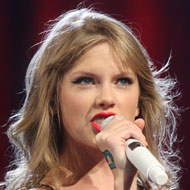











Live music is booming. According to Live Nation’s 2024 annual filing, the promoter connected 151 million fans to 54,000 shows worldwide last year, part of a broader ecosystem that touched 788 million ticket buyers across its platforms. Those crowds translated into record grosses: the Pollstar Year-End analysis for 2024 tallied US $6.18 billion for the Top 100 worldwide tours – another historic high.
Yet every light-show cue and pyro burst creates liabilities that can dwarf box-office hauls. A single postponed date can bleed six or seven figures in sunk costs, leaving risk managers to stitch together an insurance patchwork that covers artists, crew and gear from load-in to load-out.
Contents [hide]
Inside the insurance stack: non-appearance to torque-wrench fingers
Most headlining acts now carry at least four core policies. Contingency (or “non-appearance”) covers revenue lost if illness, weather or logistics cancel a show; public liability guards against spectator accidents; workers’ compensation protects crew; and equipment all-risk insures everything from LED walls to violin bows.
Premiums reflect the scale of modern touring. An Allianz entertainment-insurance infographic places typical event-cancellation cover at about 2 percent of the artist’s guaranteed fee – a modest line item for club shows, but a six-figure cheque when the guarantee runs into the tens of millions. For megatours, underwriters also insist on “cast loss” protection; when actor Carrie Fisher died in 2016, the policy reportedly paid US $50 million, one of the largest single entertainment claims in history.
Behind the scenes, the real actuarial headaches involve crew rather than stars. The Bureau of Labor Statistics pegs the 2023 injury rate for performing-arts and spectator-sports jobs at 6.5 cases per 100 full-time workers – more than double U.S. manufacturing. Falls from lighting trusses, finger crushes under stage lifts and hearing damage during sound-checks dominate claims.
Mid-tour litigation is no mere abstraction: one slip on a slick ramp in St. Louis can trigger venue subpoenas, back-dated medical bills and, if negligence is alleged, frantic calls to a Personal Injury Lawyer Kansas City well before the tour buses reach the next state line.
How tour managers cut the odds
Insurance is only one defense; risk engineers now ride buses too. On pop-superstar stadium runs, a “tour safety director” travels ahead of the convoy to audit local rigging teams and verify load-limits against CAD drawings from headquarters.
Mitigation tactics include:
- Digital twins of stage builds that let crews rehearse complex changes virtually, identifying pinch points before load-in day.
- Wearable sensors on climbers, feeding real-time heart rate and position data to a safety console.
- Redundant lifting motors rated for 110 percent of payload, ensuring that if one hoist fails mid-show, scenery descends slowly instead of crashing onto dancers.
Such measures matter because, as Allianz notes in its entertainment-claims review, injury or illness to a principal performer is the single largest cause of live-event interruption. Adding redundancies and medical staff reduces both human harm and insurer nervousness – often shaving basis points off premiums that can run into millions across a 50-date world tour.
The future: parametric cover and climate calculus
What worries brokers most in 2025 is volatility. Heat domes in Europe or typhoons in East Asia play havoc with open-air dates, and traditional cancellation policies pay only after losses are tallied. Enter parametric insurance: if local weather stations log winds above, say, 45 mph within ten kilometers of the venue, the promoter is paid automatically – no adjusters, no wrangling. Interest is surging after climate-related disruptions doubled from 2021 to 2024 on Live Nation’s internal risk dashboard, according to executives quoted in its SEC filing.
Cyber risk is another frontier. A lighting console frozen by ransomware can halt a set as effectively as a broken leg. Lloyd’s underwriters have begun bundling cyber endorsements into tour packages, with limits that scale to the production’s daily gross – often upwards of US $300,000 in potential lost revenue for a single night on a top-tier pop tour, brokers say.
Why the show keeps going
Despite eye-watering premiums, demand for cover is unlikely to wane. Live-event revenue now rivals Hollywood box-office totals, and stadium spectaculars anchor a broader music economy that includes streaming spikes and merchandising windfalls. In that context, ensuring the odd rigging mishap or pyrotechnic misfire looks like prudent housekeeping – especially when one cancelled Saturday can erase the margin on an entire tour.
From the outside, a stadium concert feels like magic. Inside, it is a high-wire act of cranes, cables and contracts – all balanced on actuarial tables that translate decibels and dance moves into dollar signs. The next time 70,000 fans roar under the lights, spare a thought for the invisible pit crew of risk managers whose spreadsheets make the applause possible. Because in the rock-and-roll circus, the greatest show on earth begins with a signed binder and a quiet promise: if something goes wrong, the music – and the money – will still play on.
[Image via Anna-M via Pexels]



-
Categories